Introduction
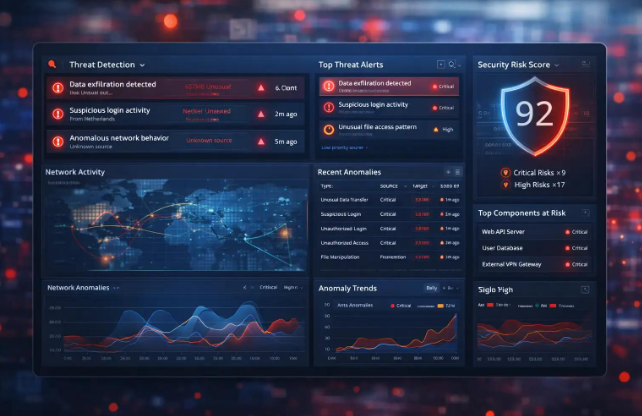
As businesses, governments, and individuals increasingly rely on digital technologies, protecting sensitive information has become more important than ever. Cyber threats such as hacking, malware, ransomware, phishing attacks, and data breaches continue to rise worldwide. To combat these threats, organizations depend on Cybersecurity Analysts to secure their systems and protect valuable data.
A Cybersecurity Analyst is responsible for monitoring networks, identifying security vulnerabilities, detecting cyber threats, and implementing security measures to prevent attacks. They play a critical role in maintaining the confidentiality, integrity, and availability of information systems.
With cybercrime increasing every year, Cybersecurity Analysts are among the most in-demand professionals in the technology industry.

Who is a Cybersecurity Analyst?
A Cybersecurity Analyst is an information security professional who protects computer systems, networks, applications, and data from cyber threats.
They analyze security risks, monitor suspicious activities, investigate incidents, and develop strategies to strengthen an organization’s cybersecurity posture.
Cybersecurity Analysts work in industries such as banking, healthcare, government, education, retail, telecommunications, and technology.
What Does a Cybersecurity Analyst Do?
Cybersecurity Analysts perform a variety of tasks to ensure systems remain secure.
Key Responsibilities
1. Security Monitoring
Monitor networks and systems for suspicious activities and potential threats.
2. Threat Detection
Identify malware, phishing attacks, unauthorized access attempts, and security breaches.
3. Vulnerability Assessment
Analyze systems to discover weaknesses and security gaps.
4. Incident Response
Investigate security incidents and take corrective actions.
5. Risk Management
Assess business risks and recommend security improvements.
6. Security Auditing
Conduct regular security reviews and compliance checks.
7. Security Policy Implementation
Develop and enforce security standards and procedures.
8. User Awareness Training
Educate employees about cybersecurity best practices.
Types of Cybersecurity Analysts
Security Operations Center (SOC) Analyst
Monitors and responds to security alerts in real time.
Incident Response Analyst
Investigates and manages cyberattack incidents.
Threat Intelligence Analyst
Studies cybercriminal tactics and emerging threats.
Vulnerability Analyst
Identifies and assesses security weaknesses.
Governance, Risk, and Compliance (GRC) Analyst
Ensures compliance with security regulations and standards.
Essential Skills Required to Become a Cybersecurity Analyst
Technical Skills
Network Security
Understanding of:
- Firewalls
- Routers
- Switches
- VPNs
- Intrusion Detection Systems
Operating Systems
Knowledge of:
- Windows
- Linux
- macOS
Security Tools
Experience with:
- SIEM Tools
- Antivirus Software
- Endpoint Security Solutions
- Vulnerability Scanners
Cyber Threat Analysis
Ability to identify:
- Malware
- Ransomware
- Phishing Attacks
- Insider Threats
Cloud Security
Knowledge of securing:
- AWS
- Microsoft Azure
- Google Cloud Platform
Programming and Scripting
Useful languages include:
- Python
- PowerShell
- Bash
- JavaScript
Programming helps automate security tasks and analyze threats.
Soft Skills
Analytical Thinking
Ability to investigate complex security issues.
Problem Solving
Quick response to cyber incidents.
Communication
Explain technical risks to non-technical stakeholders.
Attention to Detail
Identify subtle indicators of cyber threats.
Educational Qualifications
Bachelor’s Degree
Recommended fields:
- Cybersecurity
- Computer Science
- Information Technology
- Information Security
Master’s Degree (Optional)
Advanced specialization in:
- Cybersecurity
- Digital Forensics
- Information Assurance
Popular Cybersecurity Tools
Security Monitoring
- Splunk
- IBM QRadar
- Microsoft Sentinel
Vulnerability Assessment
- Nessus
- OpenVAS
- Qualys
Network Security
- Wireshark
- Snort
- Suricata
Endpoint Security
- CrowdStrike
- Microsoft Defender
- Sophos
Penetration Testing
- Metasploit
- Burp Suite
- Nmap
Career Path of a Cybersecurity Analyst
Entry Level (0–2 Years)
Junior Cybersecurity Analyst
Responsibilities:
- Security monitoring
- Log analysis
- Incident reporting
Mid-Level (2–5 Years)
Cybersecurity Analyst
Responsibilities:
- Threat detection
- Vulnerability management
- Security investigations
Senior Level (5–8 Years)
Senior Cybersecurity Analyst
Responsibilities:
- Security architecture reviews
- Incident leadership
- Team mentoring
Expert Level (8+ Years)
Cybersecurity Manager / Security Architect
Responsibilities:
- Enterprise security strategy
- Risk management
- Security governance
Cybersecurity Analyst Salary in India (2026)
Entry Level
₹5 – ₹10 LPA
Mid-Level
₹10 – ₹20 LPA
Senior Level
₹20 – ₹40 LPA
Security Architect / Manager
₹40 – ₹80+ LPA
Salary depends on experience, certifications, and technical expertise.
Top Cybersecurity Certifications
Beginner Certifications
- CompTIA Security+
- Certified Cybersecurity (CC)
Intermediate Certifications
- CEH (Certified Ethical Hacker)
- CompTIA CySA+
Advanced Certifications
- CISSP
- CISM
- GIAC Certifications
These certifications significantly improve job opportunities and salary potential.
Industries Hiring Cybersecurity Analysts
Banking and Financial Services
Protect customer transactions and financial systems.
Healthcare
Secure patient records and healthcare applications.
Government Agencies
Protect national digital infrastructure.
Technology Companies
Secure software products and cloud environments.
E-Commerce
Protect online payment systems and customer data.
Telecommunications
Secure communication networks and services.
Education Sector
Protect student information and learning platforms.
Benefits of Becoming a Cybersecurity Analyst
High Demand Worldwide
Cybersecurity professionals are needed in every industry.
Attractive Salaries
Security expertise commands premium compensation.
Job Stability
Cybersecurity remains essential regardless of economic conditions.
Global Opportunities
Skills are transferable across countries and industries.
Continuous Learning
Cybersecurity evolves constantly with new threats and technologies.
How to Become a Cybersecurity Analyst
Step 1
Learn Computer Fundamentals.
Step 2
Understand Networking Concepts.
Step 3
Study Operating Systems (Linux and Windows).
Step 4
Learn Cybersecurity Fundamentals.
Step 5
Practice with Security Tools.
Step 6
Learn Ethical Hacking Basics.
Step 7
Earn Industry Certifications.
Step 8
Build Hands-On Projects and Labs.
Step 9
Apply for Entry-Level Cybersecurity Roles.
Future Scope of Cybersecurity
The future of cybersecurity is extremely promising as organizations face increasingly sophisticated cyber threats.
Emerging areas include:
- Artificial Intelligence Security
- Cloud Security
- Zero Trust Security
- Threat Intelligence
- Digital Forensics
- Security Automation
- IoT Security
- Blockchain Security
Cybersecurity professionals will continue to play a crucial role in protecting digital assets worldwide.
Why Choose Cybersecurity as a Career?
Cybersecurity combines technology, investigation, problem-solving, and innovation.
Key advantages include:
- High salary packages
- Excellent job security
- Global career opportunities
- Constant learning and growth
- Ability to protect organizations from cybercrime
For students interested in technology and digital security, Cybersecurity is one of the most rewarding careers available in 2026.
Conclusion
Cybersecurity Analysts are the frontline defenders against cyber threats. As digital transformation continues across industries, organizations require skilled professionals to safeguard networks, systems, and sensitive information.
By learning networking, security tools, risk management, cloud security, and threat analysis, aspiring Cybersecurity Analysts can build successful careers with strong growth potential and global opportunities.